
You Day
...and your radical acts of celebration.



Humanity has a subconscious yet tastefully deliberate embrace of holidays. Most winter gatherings are tight-knit, indoor affairs with loved ones, while summer rituals are flexible spectacles in wide-open spaces like beaches or carnivals. In these settings, landmarks or fireworks replace the dinner table, and family expands to include crowds of strangers. At times, when all alone, I picture myself at a 1960s holiday party, or one from an even deeper yesteryear like the 1930s or the 1020s. Oddly enough, some of the best gatherings to envision are the ones during wartime because they imbue an indomitable presence. In these moments, people embrace a sense of motivation and purpose, a feeling directly tied to precious personal matters that cannot happen every day. Over time, however, festive public events have grown crowded and expensive, turning once local, intimate connections into overwhelming, multi-day stressors where lines lengthen and fun is neglected.

Marriage vows are taken once, then honored not by repeating them, but instead with a lasting anniversary. Through such infrequency, the event keeps its meaning instead of becoming ordinary. That same instinct to protect a unique milestone should carry over into the public square of summer jubilees. It is a season where intimate weddings, backyard campouts, graduations, the 4th of July, and sprawling county fairs blur together under the sun. Grasping a new, un-astroturfed holiday feels impossible when the masses are involved, forcing the real celebration to be preserved purely in the mind. Regardless, people need something new and good to celebrate the richness of life. Since holidays stem from lifetimes of preparation, it’s safe to assume that this will take some dedication.
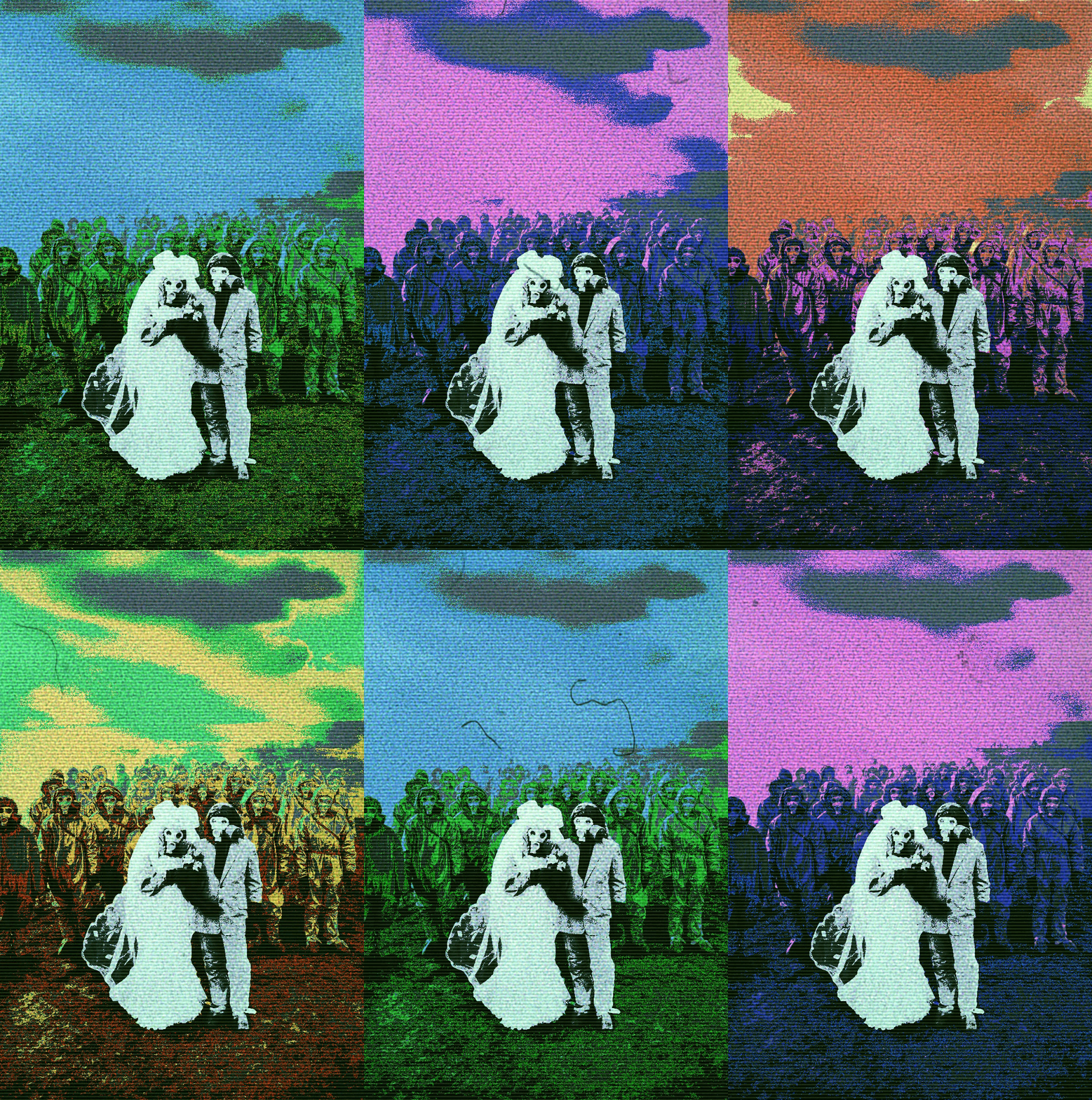
Current summer holidays have drifted into complicated spaces, catching a mix of somber undertones on one end, and a certain lack of respect on the other. Heavy themes often sink in the noise. Other observances face a tense climate, and casual awareness days function more like corporate reminders than actual festivities. There is a missing middle ground between an intense cultural battle and a standard drinking occasion focused on inebriation. Amidst a frantic cycle where people constantly work harder, drive from place to place, and sacrifice pieces of themselves without any return, exhaustion burns the last drop of shared joy as fuel.

To prevent this, a new practice called “You Day” must start by celebrating it alone. It is a day to honor your own traits and purpose by showcasing a skill or creation you love without embarrassment, ensuring the celebration is kept nice and true. On that exact anniversary the following year, you invite one person, adding a few more each subsequent year. Moving forward in this way builds gratitude, making mundane days bright enough to nurture harmony over time. The beauty of “You Day” is in the name itself, as it centers on you, yet instantly becomes about someone else the moment you wish them a happy one.